
Designing Sunglasses: How to Design Your Own Sunglasses
A practical guide to designing sunglasses, from product positioning, frame shape, lenses and materials to sunglasses design software, technical drawings, prototypes and sample development.
Designing sunglasses starts with a clear idea of the frame shape, lens style, frame material, bridge fit, temple design, logo position and final wearing purpose. After the concept is clear, the design can be developed through sketches, reference samples, sunglasses design software, technical drawings and prototype samples.
If you want to design your own sunglasses for a personal concept, eyewear project or brand collection, the main task is to turn the visual idea into a design that can be measured, sampled and reviewed. The frame front, lenses, bridge, hinges, temples, nose pads and packaging direction should all be considered before final production decisions are made.

A sunglasses design should define the frame shape, lens size, bridge width, temple length, hinge position, material direction, logo position and production details clearly enough for sample development.
Table of Contents
- Sunglasses Design Process
- Define Product Positioning Before Designing Sunglasses
- Study Sunglasses Components
- Choose the Sunglasses Frame Shape
- Choose Frame Materials and Lens Options
- Create a Sketch or Reference Sample
- Sunglasses Technical Drawing Requirements
- Choose Logo and Packaging Details
- Prototype and Sample Development
- Review the Sample Before Bulk Production
- Sunglasses Design Software
- Sunglasses Design Brief Checklist
- Have a Sunglasses Design Idea?
- Related Guides
- FAQ About Designing Sunglasses
Sunglasses Design Process
Designing sunglasses usually moves from product idea to structure, then from structure to drawing and sample. A good design should look balanced, fit comfortably, hold the lenses securely and use materials that match the intended product position.
| Step | What to Decide | Why It Matters | Design Review Point |
|---|---|---|---|
| 1. Product Positioning | Fashion, sports, outdoor, premium, promotional or private label collection | Controls material, structure, target price, lens function and packaging direction. | Whether the design matches the intended customer and use case. |
| 2. Frame Shape | Square, round, cat-eye, aviator, oversized, wraparound or custom shape | Defines the visual style, lens size, front curve and wearing balance. | Frame width, lens opening, bridge width and temple connection. |
| 3. Lens Requirement | Tinted, gradient, polarized, UV protection or mirror coating | Affects function, appearance, outdoor use and final product positioning. | Lens curve, thickness, edge shape and frame groove compatibility. |
| 4. Frame Material | Acetate, TR90, stainless steel, titanium or mixed materials | Affects weight, durability, comfort, surface finish, MOQ and cost. | Material availability, structure, polish, flexibility and production method. |
| 5. Sketch or Reference | Hand sketch, reference sample, design software file or technical drawing | Communicates the design idea clearly before prototype or sample development. | Whether the idea can be translated into measurements and structure. |
| 6. Technical Drawing | Lens width, bridge size, temple length, front curve and hinge position | Turns the idea into measurable production information. | Whether the drawing can guide sample making and future production. |
| 7. Prototype or Sample | First physical sample for review | Confirms fit, material, lens color, logo position and overall appearance. | Whether the sample is acceptable as the reference standard. |
Define Product Positioning Before Designing Sunglasses
Before drawing the frame shape, define what kind of sunglasses you want to create. A fashion frame, sports eyewear style, premium private label product and promotional sunglasses project will not use the same materials, lens choices, structure or packaging.
Product positioning gives direction to the whole design. It helps decide whether the sunglasses should focus on appearance, lightweight comfort, durability, lens function, cost control, brand presentation or a combination of these points.
Key Questions to Confirm
- Who is the target customer?
- Will the sunglasses be used for fashion, sports, outdoor, premium or promotional purposes?
- What price range should the final product meet?
- Does the design need to work under your own brand name?
- Will the project need custom packaging, logo and lens options?
- Is the product designed for retail, wholesale, e-commerce or a private label collection?

Product positioning should be clear before the design moves into technical drawing and sample development.
Study Sunglasses Components
A sunglasses design is made from several functional parts, including the frame front, lenses, bridge, nose pads, hinges, temples, temple tips, screws and sometimes rimlocks or decorative parts. Each part affects the final appearance, comfort and production quality.
For example, the bridge affects how the sunglasses sit on the nose, the temple curve affects stability behind the ears, and the hinge position affects opening feel and long-term durability. These details should be considered before sending a design for sample making.
If you need a detailed explanation of each component, read Baooda’s guide to parts of sunglasses.
Main Components to Consider
- Frame front: Controls the main shape and lens opening.
- Lenses: Determine function, color and visual effect.
- Bridge: Affects comfort and wearing balance.
- Hinges: Connect the frame front and temples.
- Temples: Hold the sunglasses in place and often carry the brand logo.
- Nose pads: Improve comfort and reduce slipping.


Small details such as hinge position, nose pad structure and temple connection can affect both comfort and long-term durability.
Choose the Sunglasses Frame Shape
The frame shape is one of the strongest visual decisions in designing sunglasses. Common sunglasses styles include square, round, cat-eye, aviator, oversized, rectangular and wraparound frames. A frame shape should match the intended wearer, product use, lens size and brand direction.
A fashion frame may focus on silhouette, thickness, color and visual identity. Sports or outdoor sunglasses usually need more attention to wrap, weight, stability, temple grip and lens coverage. A premium design may need cleaner proportions, refined hardware and a more controlled finish.
Frame Shape Design Factors
- Lens width and lens height
- Bridge width and nose fit
- Frame front width and front curve
- Temple length, angle and curve
- Overall frame thickness and weight
- Face coverage and wearing balance
- Whether the design needs a logo area on the temples
Choose Frame Materials and Lens Options
Material choice is one of the most important decisions in sunglasses design. It affects weight, cost, surface finish, durability, MOQ, production process and logo method. Common frame materials include acetate, TR90, stainless steel, titanium and mixed material structures.
Lens choice should also be confirmed early. Sunglasses can use tinted, gradient, polarized, UV protection or mirror lenses depending on the target use and product positioning.
Common Frame Material Choices
- Acetate: Suitable for premium fashion sunglasses with rich colors and polished finish.
- TR90: Suitable for lightweight, flexible and sports-style sunglasses.
- Stainless steel: Suitable for slim, classic and durable metal sunglasses.
- Titanium: Suitable for premium lightweight eyewear.
- Mixed materials: Suitable for distinctive brand designs with combined functions.
Common Sunglasses Lens Options
- Tinted lenses: Used for general sun protection and fashion styling.
- Gradient lenses: Darker at the top and lighter at the bottom for a softer visual effect.
- Polarized lenses: Reduce reflected glare from roads, water and bright surfaces.
- UV protection lenses: Help protect the eyes from ultraviolet exposure.
- Mirror lenses: Add reflective coating for stronger outdoor and fashion impact.
For a detailed material comparison, see Baooda’s guide to sunglasses frame materials.

Material choice should match the frame structure, target price, visual style and production method.
Create a Sketch or Reference Sample
You do not need a perfect professional drawing to start designing sunglasses. A clear hand sketch, reference sample, product photo or design brief can help explain the idea. The important point is to communicate the frame shape, material direction, lens color, logo position and expected product style.
If you already have a reference sample, the structure, measurements, material, hinge design and production feasibility can be reviewed more accurately. If you only have a rough idea, the design can still be developed step by step before technical drawing and sampling.
What to Include in a Sketch or Reference
- Front frame shape
- Temple shape and length direction
- Bridge style
- Lens color or lens function
- Logo position, if needed
- Material preference
- Reference size or target fit
- Product style, such as fashion, sports, outdoor or premium
The clearer the initial information is, the easier it is to estimate cost, production method and sample feasibility.

A hand sketch is useful for early design communication before the technical drawing is finalized.
Sunglasses Technical Drawing Requirements
A sunglasses technical drawing turns a design idea into a production reference. It helps confirm measurements, structure and key construction details before sample development. For repeatable production, technical drawings reduce misunderstanding and make it easier to keep later samples or bulk production consistent.
A sketch or product photo can show the general appearance, but a technical drawing should define the actual dimensions and manufacturing details.
What a Sunglasses Technical Drawing Should Include
- Lens width
- Bridge width
- Temple length
- Frame front width
- Lens height
- Front curve
- Hinge position
- Temple thickness
- Lens groove or rim structure
- Logo size and position

Technical drawings help confirm key production measurements such as lens width, bridge width, hinge position and frame curve.
| Drawing Item | What It Controls | Why It Matters in Production |
|---|---|---|
| Lens Width | Size of each lens opening | Affects lens cutting, frame balance and final appearance. |
| Bridge Width | Distance between lenses | Affects nose fit, comfort and frame position. |
| Temple Length | Length from hinge to temple tip | Affects how the sunglasses sit behind the ears. |
| Front Curve | Curvature of the frame front | Affects lens fit, wearing angle and facial balance. |
| Hinge Position | Connection between frame front and temples | Affects opening angle, durability and alignment. |
| Logo Position | Branding area on temple, lens or packaging | Affects logo method, visibility and production cost. |
Choose Logo and Packaging Details
Branding details should be confirmed before sample development if the sunglasses are designed for a brand or collection. Logo size, logo position, logo method and packaging design can affect cost, MOQ and production time.
A logo that works on an acetate temple may not be suitable for a thin metal temple, so the logo method should match the frame material and structure.
Common Logo Options
- Temple printing
- Lens logo printing
- Laser engraving
- Metal logo parts
- Packaging logo
- Microfiber cloth and case branding
For private label sunglasses, packaging is also part of the product design. Case, pouch, microfiber cloth, hang tag, card, box and carton details should be confirmed before bulk production.

Logo position, frame finish, lens color and temple details should be confirmed before sample production.
Prototype and Sample Development
After the design direction, material, technical drawing, lens requirement and logo details are confirmed, the next step is prototype or sample development. A sample helps check whether the design can be produced with the expected appearance, fit and quality.
During sample development, the frame structure, material behavior, lens fitting, hinge function, temple curve, logo effect and overall balance should be reviewed. If something does not match the requirement, the design can be revised before moving forward.
What to Check on a Sunglasses Sample
- Frame shape and symmetry
- Material color and surface finish
- Lens color, lens fit and lens stability
- Bridge comfort and wearing balance
- Temple opening and temple curve
- Logo position and logo quality
- Packaging details, if included
Sample approval should be treated as the reference standard if the design later moves into production.
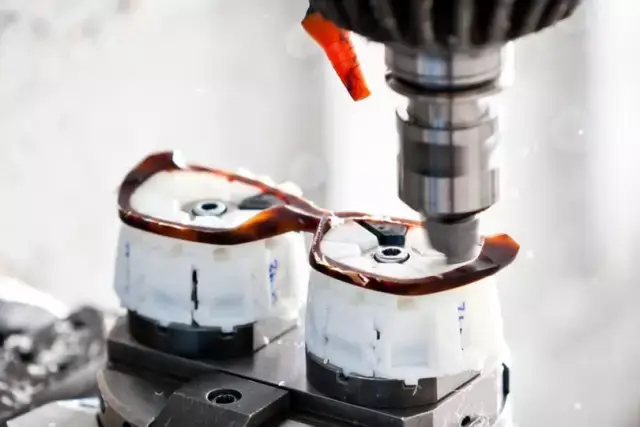
Sample development checks whether the design can be produced accurately before a final production decision is made.
Review the Sample Before Bulk Production
Bulk production should not begin until the sample has been reviewed and approved. The approved sample should define the frame shape, material, color, lens, logo, fitting, packaging and quality expectation.
Sample approval reduces production risk. It gives both the brand and the factory a clear reference for inspection during manufacturing and before shipment.
Final Review Points Before Production
- Frame material and color match the requirement
- Lens color and lens function are confirmed
- Logo method and position are approved
- Temple length and bridge fit are acceptable
- Packaging requirement is confirmed
- MOQ, lead time and payment terms are clear
To understand how the approved design moves into production, read Baooda’s sunglasses manufacturing process.
Sunglasses Design Software
Sunglasses design software can help turn a design idea into a clearer visual reference or technical drawing. For early concept development, designers may use illustration or CAD tools to create frame shapes, lens outlines, temple details and logo positions.
However, software alone does not guarantee that a sunglasses design can be manufactured. The design still needs to be reviewed for material choice, frame thickness, hinge structure, lens curve, bridge fit, temple angle and production method.
Common Tools Used in Eyewear Design
Adobe Illustrator
Useful for 2D frame outlines, logo placement, lens shapes and presentation drawings.
AutoCAD
Useful for accurate measurements, technical references and structure communication.
SolidWorks
Useful for 3D structure review, product modeling and complex frame development.
CorelDRAW
Useful for vector drawing, layout preparation and logo-related artwork.
Hand Sketching
Still useful for early design ideas before moving into technical drawing or CAD work.
Reference Samples
Useful when the frame style, fit or construction can be explained better with a physical sample.
If you already have a file from design software, send it together with material, lens, logo and quantity requirements for review.
Sunglasses Design Brief Checklist
Before contacting a sunglasses manufacturer or sample maker, prepare the following information. A complete design brief helps review feasibility and provide a more accurate quotation.
Frame Style
Square, round, cat-eye, aviator, wraparound, oversized or custom shape.
Material
Acetate, metal, titanium, TR90 or mixed material structure.
Lens Requirement
Tinted, gradient, polarized, UV protection, mirror coating or custom color.
Logo Position
Temple logo, lens logo, metal logo, laser engraving or packaging logo.
Reference File
Sketch, technical drawing, reference photo, sample or design software file.
Target Quantity
Estimated order quantity, number of colors and number of models.
Packaging
Case, pouch, microfiber cloth, hang tag, card, box or carton requirement.
Target Market
Delivery country, quality expectation, compliance requirement and price range.
Have a Sunglasses Design Idea?
Send your sketch, reference sample, design software file, material preference, lens requirement, logo position and target quantity. Baooda can review the production feasibility and suggest a suitable sample development approach.
FAQ About Designing Sunglasses
How do I design sunglasses?
Start by defining the product purpose, target customer, frame shape, material, lens requirement, bridge fit, temple design and logo or packaging needs. Then prepare a sketch, reference sample or technical drawing so the design can be reviewed and sampled.
How do I design sunglasses for my own brand?
Start with the product positioning, target customer, frame shape, material, lens requirement, logo position and packaging plan. Then prepare a sketch, reference sample or technical drawing so the design can be reviewed for sample development and production feasibility.
Do I need professional drawing skills to design sunglasses?
No. A clear hand sketch, reference photo or sample can be enough for the first discussion. For production, the design should later be translated into accurate measurements or a technical drawing.
What should a sunglasses technical drawing include?
A sunglasses technical drawing should include lens width, bridge width, temple length, frame front width, lens height, front curve, hinge position, lens groove, material notes and logo position.
What software is used to design sunglasses?
Designers may use Adobe Illustrator, AutoCAD, SolidWorks, CorelDRAW or other CAD tools. Hand sketches are also useful for early concept communication before technical drawing.
Can Baooda make sunglasses from my sketch or reference sample?
Yes. You can send a sketch, reference sample, technical drawing or design idea. Baooda can review the frame structure, material choice, lens requirement, logo method and production feasibility before sample development.
What information should I send for a custom sunglasses quotation?
Please send the frame design or reference image, material preference, lens requirement, logo position, packaging requirement, target quantity and delivery market. Complete information helps the factory provide a more accurate quotation.
Send Your Sunglasses Design for Production Review
If you are developing a new sunglasses collection, send us your sketch, reference sample, material requirement, lens option, logo position and estimated quantity. Baooda will review the production feasibility and suggest a suitable manufacturing approach before sampling.
- Frame shape and structure review
- Material, lens and logo method suggestions
- Technical drawing and sample development support
- OEM and private label sunglasses production