
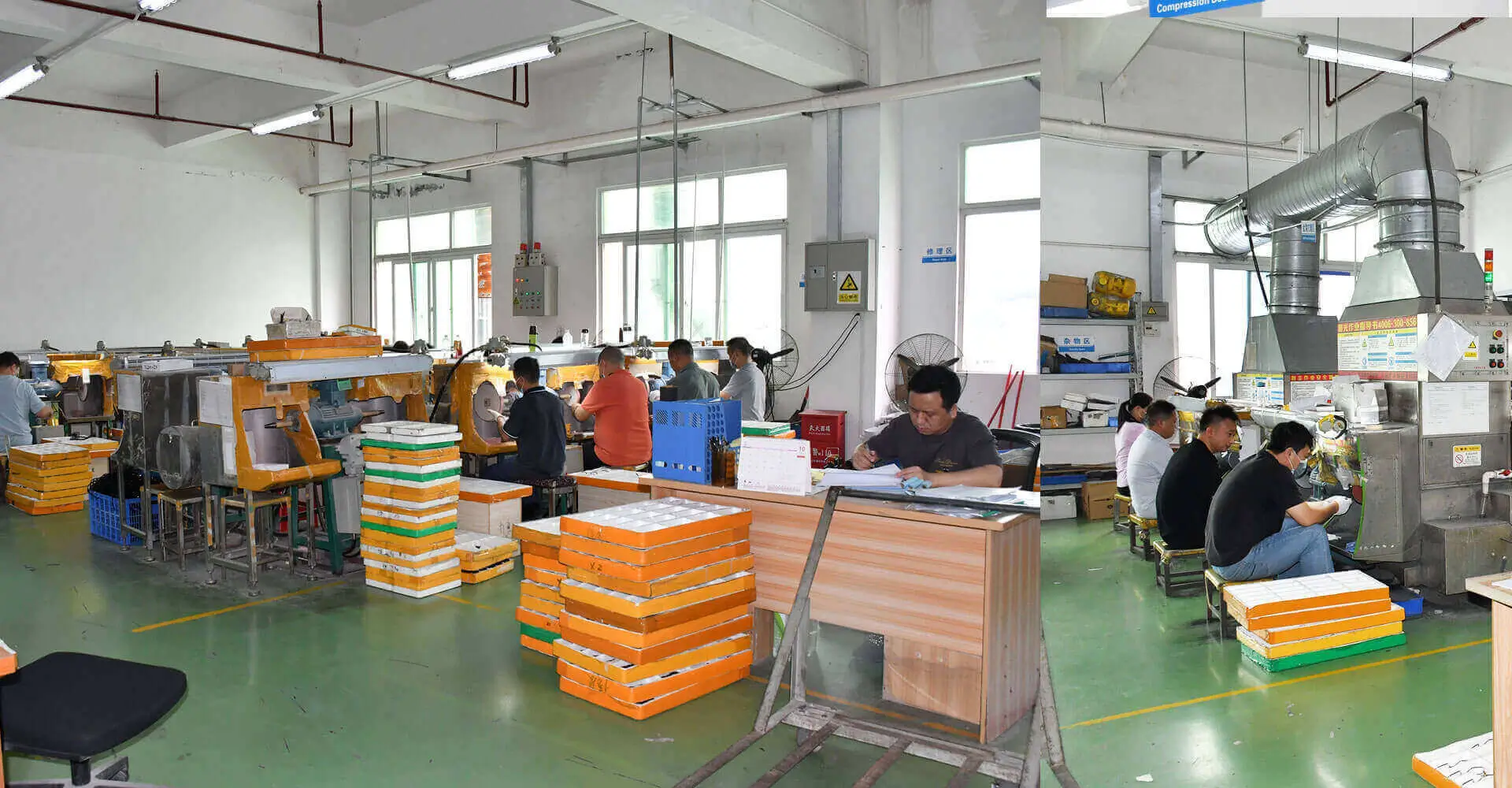
OEM Sunglasses Manufacturer for Eyewear Brands
Baooda manufactures sunglasses according to brand-approved designs, technical specifications, material requirements and sample standards. Our OEM service covers engineering review, pre-production samples, production planning, quality inspection and repeat-order management.
This service is intended for eyewear brands, fashion businesses and distributors that already have a defined product direction and need a factory to execute it accurately. The focus is not simply making a customized frame; it is maintaining control from specification approval through bulk delivery.
- Manufacturing to approved specifications
- Pre-production sample confirmation
- Material and component control
- Bulk and repeat-order management
What Is OEM Sunglasses Manufacturing?
OEM sunglasses manufacturing is a specification-led production model. The buyer controls the product direction and approval standard, while the manufacturer reviews feasibility, develops samples, prepares materials, manages production and inspects finished goods against the agreed reference.
Production Based on Approved Requirements
In an OEM program, the starting point is normally a technical drawing, reference sample, product specification or an established frame that needs to be reproduced under controlled conditions. The manufacturer should not change dimensions, materials, lens specifications or visible details without written confirmation.
The buyer remains responsible for final product approval. The factory's responsibility is to translate the approved information into a workable production plan and keep the bulk order consistent with the confirmed sample and specification sheet.
OEM is not the same as general customization. Custom manufacturing may begin with a broad product idea. OEM manufacturing is more closely tied to defined specifications, approval records and repeatable production control.
| Production Model | Buyer Usually Provides | Factory Responsibility | Best Suited To |
|---|---|---|---|
| OEM | Defined design, reference sample, specifications and approval requirements | Engineering review, sampling, production execution and quality control | Brands with an established product direction |
| ODM | Product idea, target market and general requirements | More extensive design development, structure development and manufacturing support | Buyers who need product development assistance |
| Private Label | Brand identity, logo and packaging direction | Brand application, packaging preparation, sample approval and production | Businesses launching products under their own brand |
| Custom Manufacturing | A mix of concepts, drawings, samples or customization requirements | Project-specific development and manufacturing support | Projects that need broader customization |
Who Needs an OEM Sunglasses Manufacturer?
OEM production is most effective when the buyer already understands the product it wants to manufacture. The factory then becomes an execution and control partner rather than the source of the initial product concept.
Established Eyewear Brands
Brands with approved frame concepts, past collections or defined construction standards that need reliable sample and bulk production.
Fashion and Lifestyle Brands
Businesses adding eyewear to an existing product range while retaining control over design, materials, colors and market positioning.
Distributors With Defined Specifications
Distributors that know the required frame material, lens standard, branding method, packaging format and order quantities.
Brands Managing Repeat Orders
Buyers that need later production batches to remain consistent with approved colors, measurements, components and packaging.
What to Prepare for an OEM Sunglasses Project
Complete production information makes feasibility review, sampling and quotation more accurate. The files do not need to follow one fixed format, but they should clearly describe what must remain controlled.
| Project Information | Recommended Content | Production Use |
|---|---|---|
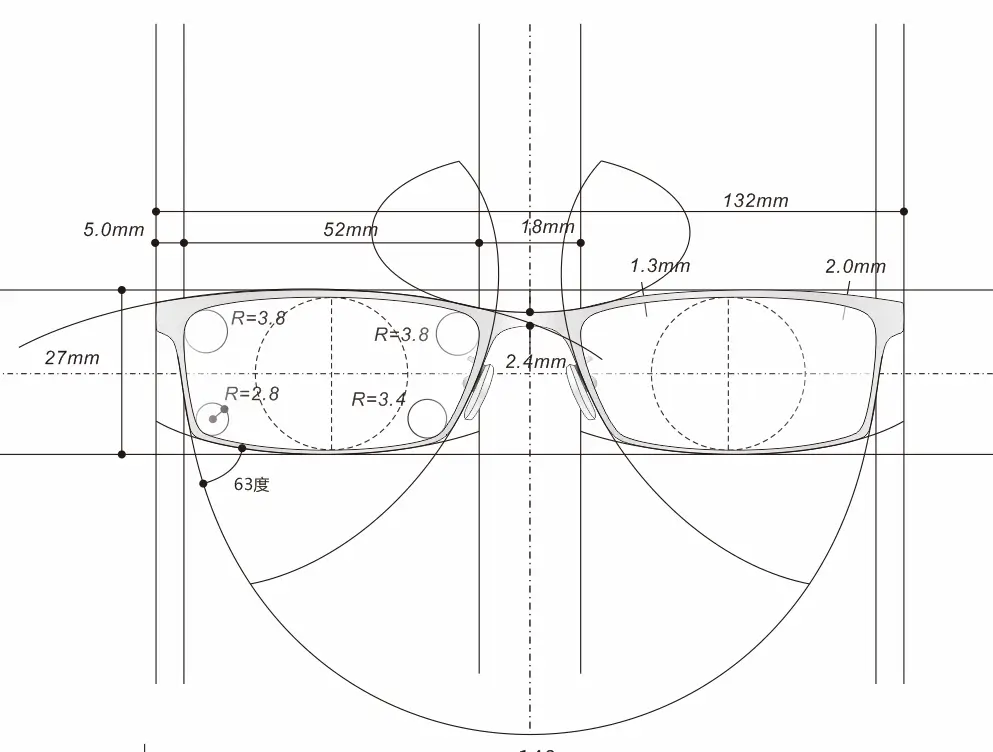
| Technical Drawing | Frame dimensions, bridge width, lens size, temple length, curve and component position | Engineering review and dimensional reference |
| Reference Sample | Physical construction, fit, visible finish and component arrangement | Comparison during sampling and production |
| Product Specification | Material, colors, lens requirement, hardware, tolerances and inspection points | Written production standard |
| Logo Artwork | Vector file, dimensions, position and approved application method | Logo preparation and inspection |
| Color Reference | Approved physical sample, color card or clearly defined color reference | Material and batch color control |
| Packaging Specification | Case, cloth, pouch, box, card, label and carton requirements | Packaging preparation and shipment inspection |
| Order Plan | Quantity by model and color, required delivery window and destination market | Quotation, material planning and production scheduling |
Engineering and Specification Review
Engineering review is not a redesign service. Its purpose is to determine whether the supplied specifications can be manufactured reliably and whether the selected components work together as intended.
Technical Drawing Review
The review checks frame front dimensions, bridge geometry, lens size, front curve, temple length, hinge position and component clearances. Measurements that affect lens fitting, assembly or wearing balance should be resolved before sample production.
Material and Component Compatibility
Frame material, hinges, screws, nose pads, lenses and decorative parts must be compatible with the intended structure. A component that works on a thick acetate temple may not work on a thin metal construction.
Production Tolerance Review
Dimensions and visual requirements should be realistic for the selected manufacturing process. Where a requirement may create instability or unnecessary variation, it should be discussed before the approved sample is made.
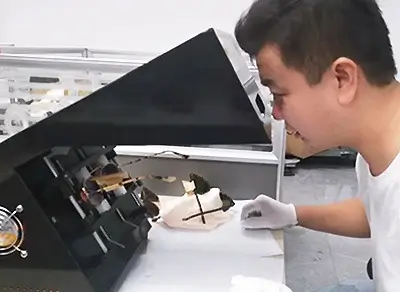
OEM Sunglasses Manufacturing Service Scope
The service scope follows the order from specification review to repeat production. Each stage has a defined purpose and should leave a usable record for the next stage.
Specification Review
Drawings, samples, materials, lens requirements and visible details are reviewed before quotation and sampling.
Material Coordination
Frame materials, lenses, hardware and packaging components are prepared according to the agreed specification.
Sample Development
A pre-production sample is made to confirm construction, appearance, fit, finishing and required brand details.
Production Planning
Quantities, color breakdown, materials, production schedule and packaging requirements are organized before bulk work begins.
Bulk Manufacturing
Production follows the approved sample, written specification and confirmed order details.
In-Process Inspection
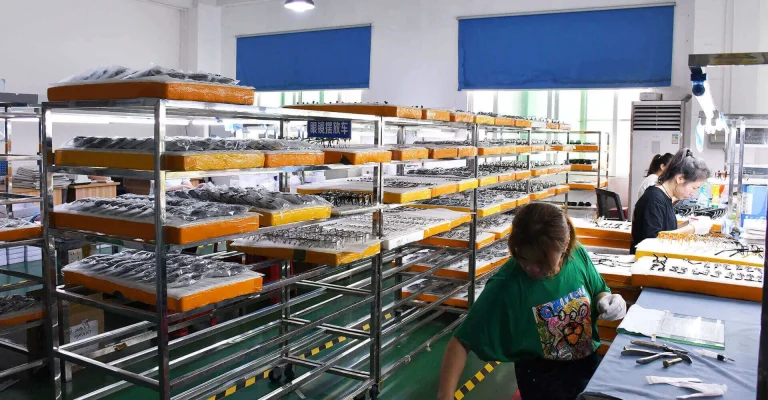
Materials, frame condition, assembly and visible details are checked during production rather than only after completion.
Final Inspection
Finished sunglasses and packaging are compared with the approved production standard before shipment.
Repeat-Order Support
Approved specifications and documented changes are reviewed again when later production batches are arranged.
Pre-Production Sample and Approval
The pre-production sample is the point where drawings and written requirements become a physical product. Approval should be based on more than appearance; it should confirm whether the sample is suitable to become the manufacturing reference.
What the Approved Sample Should Confirm
- Frame dimensions and overall proportions
- Bridge fit, temple opening and wearing balance
- Frame material, color and surface finish
- Lens color, curve, fitting and required function
- Hinge operation, screws and component alignment
- Logo size, position and application quality
- Packaging components and presentation standard
When revisions are required, the final changes should be recorded before approval. The physical sample and written specification should then be used together during production and inspection.
An approved sample should not be treated as a general visual guide. It is the physical reference for material appearance, assembly, finishing, branding and acceptable production results.

Material and Component Control for OEM Orders
OEM material control is less about listing every available option and more about ensuring that the selected materials and components match the approved standard throughout the order.
Frame Materials
Baooda works with acetate, stainless steel, titanium, TR90 and mixed-material frame structures. For an OEM order, the relevant details include material type, thickness, color, surface condition and any visible pattern or finish that must remain consistent.
Lenses and Hardware
Lens color, curve, edge shape and functional requirements should match the approved specification. Hinges, screws, nose pads, rim components and decorative parts should be confirmed before the production material is released.
Material Substitution Control
If an approved component becomes unavailable, a replacement should not be introduced without review. The alternative may affect dimensions, fit, finish, durability or visual consistency.
OEM Bulk Production Management
This stage is concerned with order control rather than explaining each physical manufacturing operation. The objective is to ensure that materials, quantities, colors, approvals and changes remain coordinated during the production cycle.
Production Planning
The purchase order, model breakdown, color quantities, material requirements, packaging and expected delivery window are checked before the production schedule is confirmed.
Specification and Change Control
Revisions after sample approval should be recorded clearly. Informal or partial changes can create inconsistency between drawings, samples, materials and finished products.
Order Progress Communication
Material status, sample approval, production release and inspection points should be communicated against the actual order plan rather than broad estimated stages.
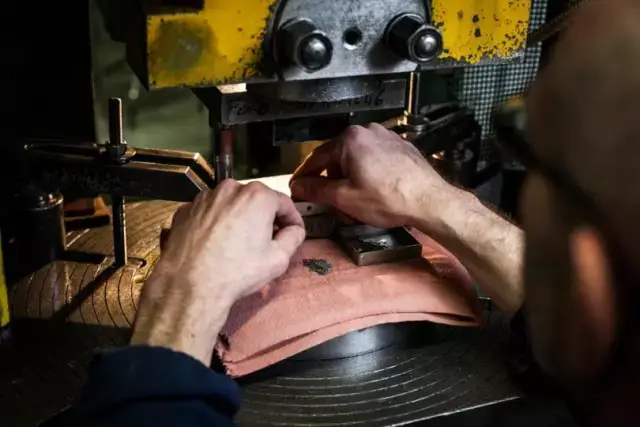
Production Equipment Supports Repeatable Execution
Equipment does not replace an approved standard, but stable machinery and controlled production settings help the factory execute frame structures more consistently across a batch.
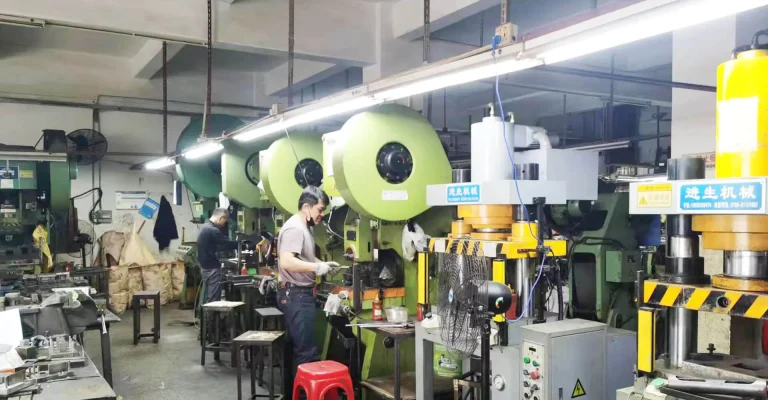
Controlled Execution, Not Unrecorded Adjustment
Production settings, tooling, fixtures and assembly methods should support the approved sample. When a process adjustment changes the visible result or product function, the effect should be reviewed rather than accepted as an undocumented factory variation.
This is particularly important for lens fitting, frame alignment, temple position, metal component assembly and other areas where small dimensional changes can affect the finished product.
Quality Control and Batch Consistency
OEM quality control should compare production against defined references. General statements such as “good quality” are not a workable inspection standard. The approved sample and written specification should be used together.
Incoming and In-Process Checks
- Material type, color, thickness and surface condition
- Frame dimensions, curve and component positioning
- Lens color, edge shape and fitting condition
- Hinge position, opening action and screw condition
- Temple length, frame alignment and wearing balance
Final Inspection
- Finished surface and visible defects
- Logo position, size and application quality
- Lens stability and frame alignment
- Accessories, labels and packaging specification
- Comparison with the approved sample
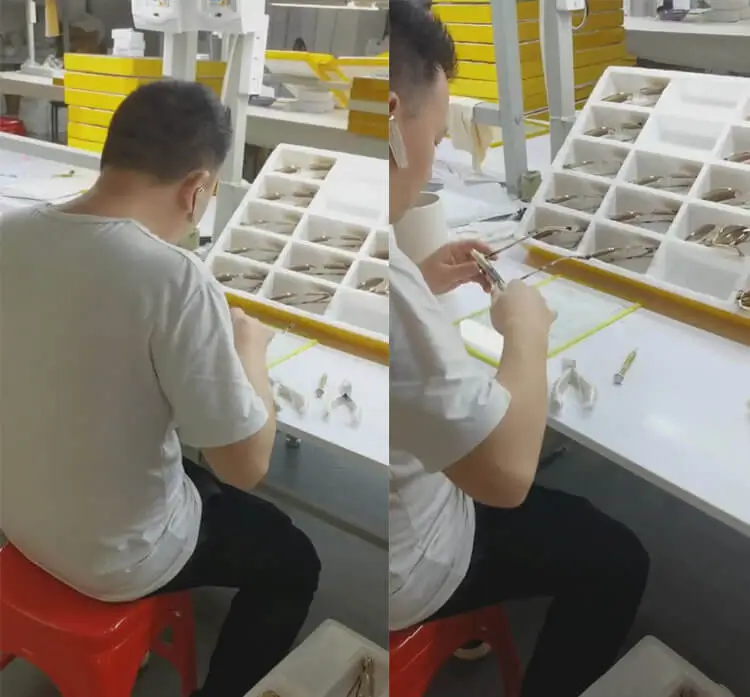
What Batch Consistency Means
Batch consistency does not mean every handmade or processed detail will be visually identical under magnification. It means that dimensions, material appearance, assembly, function, branding and packaging remain within the agreed production standard and do not change without approval.
Repeat Orders and Production Continuity
Repeat orders are a distinct part of OEM manufacturing. The purpose is not simply to reorder the same model name; it is to identify which specifications must remain unchanged and which approved revisions should apply to the new batch.
Reference Management
The current approved sample, specification sheet, material notes, color references and packaging requirements should be identified before the reorder enters production.
Material Availability Review
Materials and components may change over time. Availability should be checked before a repeat quotation or production date is confirmed.
Revision History
Changes approved after the previous order should be recorded so the new batch does not return to an outdated drawing or sample condition.
Production Continuity
Forecast quantities and expected reorder timing can help coordinate material preparation, packaging updates and manufacturing capacity.
OEM Sunglasses MOQ, Sampling and Lead Time
OEM quotations depend on the actual specification. Frame material, model count, color breakdown, lens requirements, components, packaging and order schedule all affect MOQ and production timing.
| Commercial Item | Main Variables | Information Needed From the Buyer |
|---|---|---|
| MOQ | Frame material, model, color quantity, components, lens and packaging | Quantity by model and color |
| Sample Development | Structure complexity, tooling, material, lens and revision requirements | Drawing, reference sample and complete product specification |
| Production Lead Time | Material availability, sample approval, production quantity and factory schedule | Required delivery window and final approval date |
| Quotation | Dimensions, materials, lenses, hardware, packaging and order volume | Complete inquiry package and delivery market |
Typical MOQ reference: for many custom acetate and metal OEM projects, the starting quantity is approximately 300 pieces per model. The final MOQ must be confirmed after reviewing colors, structure, logo method, lenses and packaging.
Design Confidentiality for OEM Projects
OEM programs may involve unreleased frame designs, technical drawings, product specifications, reference samples, brand assets and commercial information. These materials should be handled only for the relevant project review and production work.
Technical Information
Drawings, measurements, construction details and sample references should be limited to personnel involved in quotation, engineering and production.
Brand Assets
Logo files, packaging artwork, labels and product names should be used only for approved sampling and order production.
Written Project Records
Confidentiality expectations, approved uses and project responsibilities should be confirmed in writing before sensitive materials are shared.
What to Send for an OEM Sunglasses Quote
A quotation is more useful when it is based on an actual production requirement rather than a product photograph alone. Include the information below wherever it is available.
- Company and brand information
- Technical drawing, CAD file or reference sample
- Frame material and required colors
- Lens specification and functional requirements
- Logo artwork, size, position and application method
- Hardware and component requirements
- Packaging specification
- Quantity by model and color
- Target delivery date and destination market
- Any specific inspection or testing requirement
Request an OEM Project Review
Send the available production files and order information. Baooda can review whether the specification is complete, identify points that need confirmation and prepare the project for quotation or sampling.
Frequently Asked Questions About OEM Sunglasses Manufacturing
What is an OEM sunglasses manufacturer?
An OEM sunglasses manufacturer produces eyewear according to a buyer's approved design, technical specifications, reference sample and order requirements. The factory reviews feasibility, develops samples, coordinates materials, manages production and inspects the finished goods against the agreed standard.
What is the difference between OEM and ODM sunglasses?
OEM production normally begins with a defined customer design or specification. ODM work includes more factory involvement in product design and development. The correct model depends on how complete the buyer's product information is.
Can Baooda manufacture sunglasses from our technical drawing?
Yes. The drawing can be reviewed together with material, lens, hardware, logo and packaging requirements. Any dimensional or structural issue that affects manufacturability should be resolved before the pre-production sample is approved.
Can you manufacture from a reference sample?
A reference sample can be used to review construction, dimensions, fitting and visible details. The final project should still confirm materials, colors, lenses, logo, packaging and any changes from the reference product.
Is a pre-production sample required?
A pre-production sample is strongly recommended. It allows the buyer to confirm the physical product before bulk production and provides a reference for material appearance, assembly, finishing, branding and inspection.
What is the MOQ for OEM sunglasses?
MOQ depends on frame material, structure, model count, colors, lenses, components and packaging. For many custom acetate and metal projects, the typical starting quantity is approximately 300 pieces per model, subject to the final specification.
How is quality controlled during OEM production?
Quality control should cover incoming materials, frame condition, assembly, lens fitting, hinge function, alignment, logo application and packaging. The approved sample and written product specification should be used together as the inspection reference.
What information is required for an OEM quotation?
Send the technical drawing or reference sample, frame material, colors, lens specification, logo file, packaging requirement, quantity by model and color, required delivery window and destination market.
Prepare Your OEM Sunglasses Project for Production
Send your technical drawing, reference sample, product specification, material requirement, lens information, logo file, packaging details and order quantities. Baooda will review the available information and identify the points that should be confirmed before sampling or quotation.
- Technical and manufacturability review
- Pre-production sample confirmation
- Material, component and specification control
- Bulk production and repeat-order management